The Hidden Money Leaks in Everyday Life: 9 Expenses Worth Rethinking
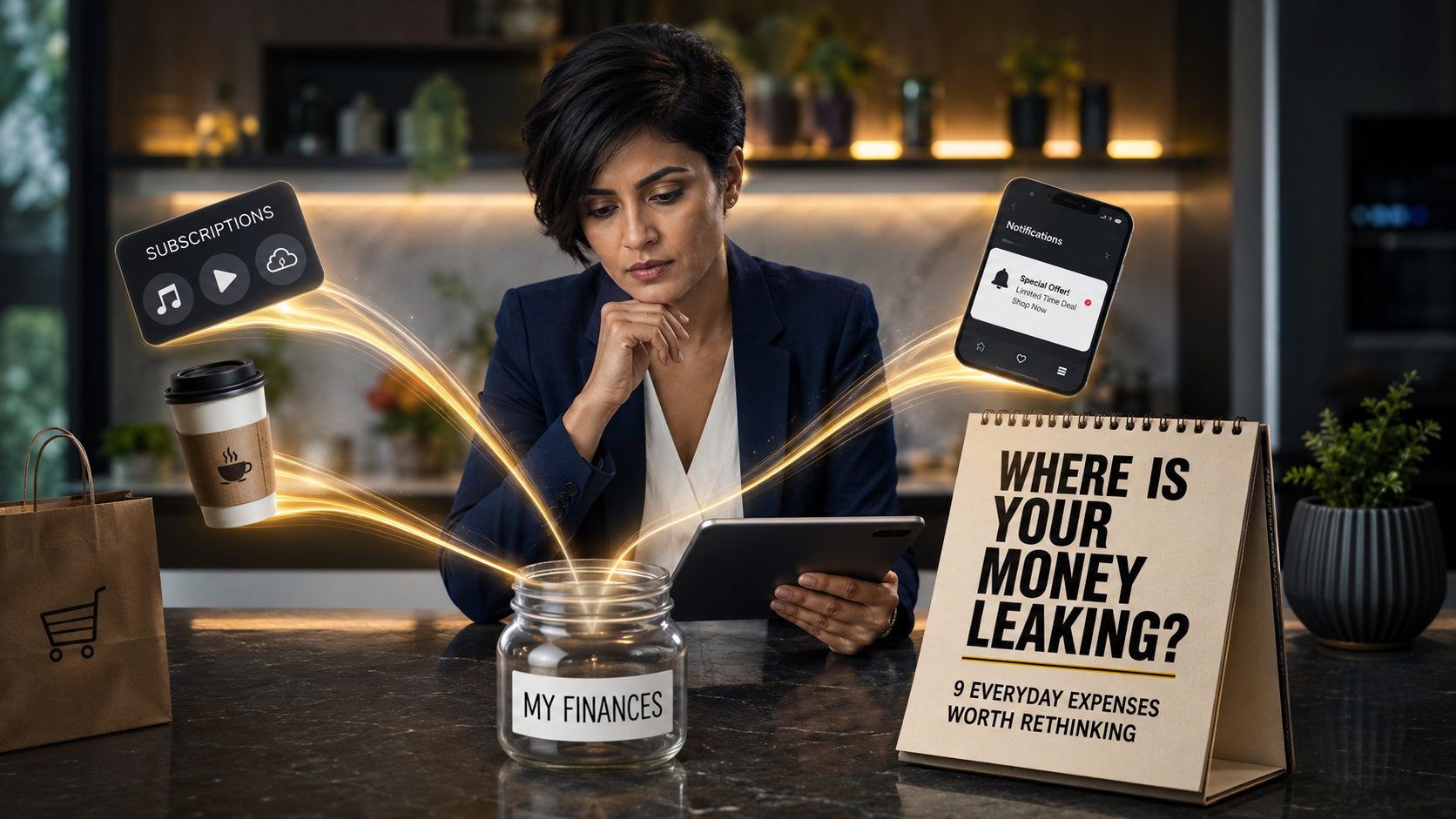
- Money does not always disappear through one large purchase. More often, it can gradually move away through small and recurring expenses that feel harmless when considered individually. A subscription that is rarely used, frequent convenience spending, repeated impulse purchases, or a collection of small charges may not attract much attention on any particular day. Over several months, however, these expenses can become a meaningful part of a household's spending.
- The idea of Money Leaks is not to label every non-essential expense as wasteful. Some convenience expenses genuinely save time, some subscriptions provide real value, and occasional purchases can be part of a balanced lifestyle. The more useful question is whether an expense still provides enough value to justify its cost. When the answer is no, that recurring expense deserves a second look.
- Finding these leaks does not require giving up everything enjoyable. It requires becoming more aware of patterns. A small change made once may have limited impact, but a recurring expense that is reduced, cancelled, or redirected can continue to make a difference month after month.
- The goal of this article is therefore not extreme frugality. It is to help you recognise the quieter areas where money may be leaving your budget without receiving enough value in return, and to show how those expenses can be reconsidered without making everyday life unnecessarily restrictive.
What Money Leaks Really Mean
The phrase Money Leaks describes expenses that quietly reduce the amount of money available for savings, goals, or other priorities without providing enough continuing value to justify their cost. These expenses are not necessarily large, and they are not automatically wrong. Their defining characteristic is that they can become easy to overlook because they occur repeatedly or feel insignificant at the moment of purchase. Consider a service that costs a relatively small amount every month. If you actively use it and it provides meaningful value, it may be a perfectly reasonable expense. If you stopped using it several months ago but the payment continues automatically, the situation is different. The problem is not the price alone; it is paying for something that no longer serves a useful purpose. The same principle applies to everyday spending. A single convenience purchase may be completely reasonable, particularly when you are busy or dealing with an unusual situation. The
concern appears when a temporary convenience becomes the default choice without being consciously reconsidered. What began as an occasional expense can quietly become a regular part of monthly spending. This distinction matters because financial awareness should not become an exercise in guilt. The purpose is not to look at every purchase and ask whether it could have been cheaper. The better question is whether your spending continues to reflect what you actually value.
Why Small Expenses Are Easy to Ignore
Small expenses often escape attention because the immediate decision feels unimportant. Spending a modest amount on one occasion rarely creates a noticeable change in your financial position. Because the effect is not immediately visible, there is little emotional reason to remember the purchase later. Recurring expenses create a different pattern. When the same type of spending happens repeatedly, each individual transaction may still look insignificant, while the combined effect becomes much larger. This is particularly easy to miss when payments are automatic or when purchases are spread across different services and situations. Another reason small expenses are difficult to identify is that people naturally focus on larger financial events. Rent, education costs, loan payments, major purchases, and annual bills are obvious. Smaller payments do not always receive the same attention, even when they happen much more frequently. Convenience can make the pattern even harder to notice. When a purchase saves time, provides entertainment, or removes a small inconvenience, the immediate benefit is easy to see. The financial cost may feel less important because the purchase solves a problem at that particular moment. The answer is not to eliminate every small expense. Instead, bring recurring spending back into view from time to time. Once several months of transactions are considered together, it becomes easier to identify which expenses still make sense and which ones have simply continued because nobody stopped to reconsider them.
Money Leak #1: Unused Subscriptions
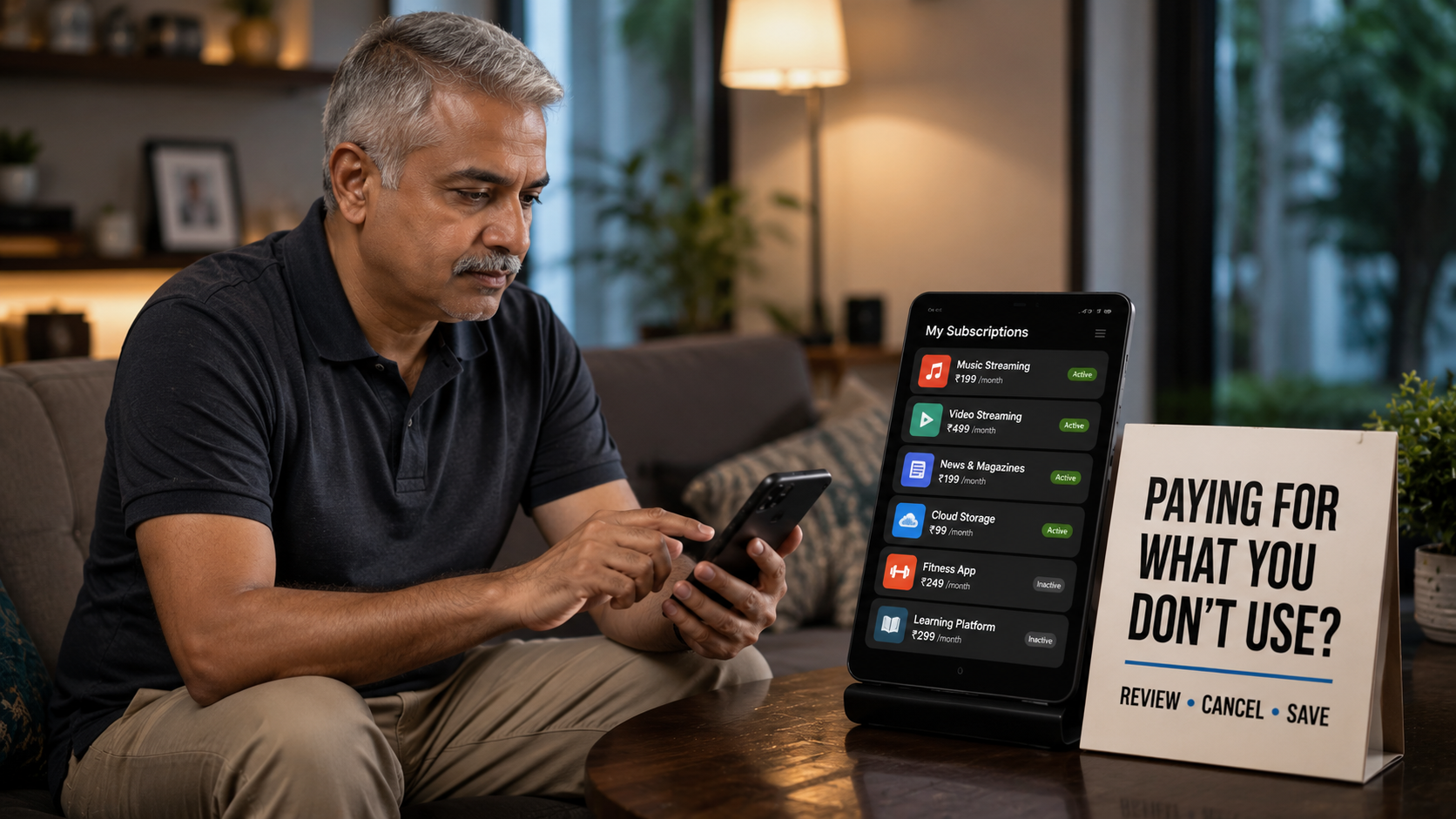
Subscriptions are among the easiest Money Leaks to overlook because the payment process is designed to be convenient. Once a service is activated, the charge may continue automatically without requiring a new decision every month. If you continue using the service and value it, there may be nothing wrong with that arrangement. The problem begins when the subscription remains active long after its usefulness has declined. This can happen with entertainment platforms, software services, fitness memberships, learning platforms, cloud storage, newsletters, delivery programs, or other recurring services. A person may subscribe because a particular month seems busy or because a temporary need appears important. Months later, the original reason may no longer exist while the payment continues. The first step is simply to create a list of recurring charges. Look through bank statements, card statements, and payment histories rather than relying only on memory. Some subscriptions are easy to remember because they are actively used, while others may be buried among automatic payments. Once the list is visible, ask three questions: Do I still use this? Does it still provide enough value? Would I choose to pay for it again today? That last question can be particularly revealing because it removes the influence of the original decision. Cancellation is not always the only option. Some services offer lower-cost plans, temporary pauses, annual alternatives, or different tiers. If a service genuinely matters, the goal may be to find the version that better matches actual use rather than simply removing it. The larger lesson is about automatic financial decisions. Convenience is useful, but anything that takes money from your account repeatedly deserves an occasional review.
Money Leak #2: Frequent Food Delivery and Convenience Spending
Food delivery is a useful service for many people. It can save time during demanding workdays, help when cooking is not practical, or provide a convenient option when circumstances are unusual. The issue arises when convenience spending becomes so frequent that it quietly changes the monthly food budget.
The cost of a delivered meal is not always limited to the food itself. Depending on the service and order, there may be delivery charges, platform fees, taxes, minimum-order requirements, or other costs. Individually, these amounts may appear minor, but frequent orders can make the overall expense considerably different from what the individual meal price suggests. There is also a behavioural element. When ordering becomes the easiest response to tiredness or a busy schedule, the decision may happen almost automatically. The person is not necessarily choosing the most valuable option each time; they are choosing the option that requires the least immediate effort. This does not mean that delivery should be eliminated. A more realistic approach is to identify when convenience is genuinely useful and when it has simply become a habit. If ordering occurs several times a week without being part of the original financial plan, it may be worth reviewing. A simple comparison can help. Look at the total amount spent on delivery and convenience meals over a typical month rather than evaluating one order at a time. If the amount feels higher than the value you receive, consider setting a practical limit or preparing a few easier alternatives for busy days. The goal is not to turn food into a financial restriction. It is to notice when convenience has become an automatic expense and decide whether the current pattern still deserves its place in the budget.
Money Leak #3: Impulse Online Shopping
Online shopping can make purchasing extremely easy. A product can be discovered, evaluated, ordered, and paid for within minutes, often without the physical pause that occurs when someone visits a store. This convenience is useful, but it can also make it easier to buy things before deciding whether they are genuinely needed. Impulse purchases often begin with a feeling rather than a requirement. A discount, attractive presentation, recommendation, limited-time message, or simple moment of boredom can create the desire to purchase. The product may be useful, but usefulness after the purchase is not the same as necessity before it. One practical way to slow the process is to create a waiting period for non-essential purchases. The length of that period can depend on the price and your circumstances. The purpose is not to make purchasing difficult; it is to create enough distance between the initial desire and the final decision. A second useful question is whether the purchase was already part of your financial plan. If it was planned and the money has been allocated for it, the decision is different from an unexpected purchase that requires money originally intended for another priority.
It is also worth paying attention to repeated categories rather than individual items. Someone may not remember every small online order, but a monthly review may reveal that clothing, gadgets, home accessories, or other discretionary categories have become much larger than expected. The most effective response is not necessarily to stop shopping online. It is to make the decision more deliberate. A few seconds of excitement should not automatically become a recurring financial commitment.
Money Leak #4: Small Daily Purchases That Become a Monthly Pattern

A small purchase can feel almost invisible when it happens only once. A snack bought during a commute, an extra coffee, a quick purchase from a nearby shop, or a minor digital purchase may not seem important enough to record. The difficulty is that repeated small decisions can eventually become a regular spending pattern without ever feeling like a major financial choice. The issue is not the price of one item. It is the frequency and the lack of attention surrounding it. If a purchase happens regularly, its total monthly cost deserves to be considered alongside larger expenses. This is one reason Money Leaks can be difficult to recognise: the individual transaction looks harmless while the pattern tells a different story. A useful exercise is to examine a typical month and identify purchases that happen almost automatically. You may discover that certain expenses are connected to specific routines, such as commuting, office breaks, evening shopping, or weekend outings. Once the pattern is visible, you can decide whether the expense is genuinely valuable or simply something you have become accustomed to buying. There is no need to remove every small pleasure from your routine. If a particular purchase is affordable and genuinely adds value, it may deserve to remain. The purpose of reviewing these expenses is to find the ones that you would willingly reduce if you realised how much they were costing over time. One simple approach is to choose one or two categories for review rather than attempting to change everything at once. A small adjustment repeated consistently can create more meaningful results than a strict financial rule that becomes difficult to maintain.
Money Leak #5: Charges and Fees You Rarely Review
Some expenses are easy to notice because you actively choose to make them. Others appear as charges connected with financial services, accounts, transactions, memberships, or other arrangements that may have been established months or years earlier. Because these charges may be relatively small, they can remain unnoticed for long periods. The first step is not to assume that every charge is unnecessary. Some fees may be connected to services you genuinely use or terms that are appropriate for your situation. The useful habit is simply to understand what recurring or occasional charges are appearing and why they exist. Reviewing account statements and other financial records can help identify unfamiliar or recurring amounts. If a charge is unclear, check the relevant service terms or contact the appropriate provider through an official channel. Avoid making decisions based solely on assumptions about what a particular fee represents. You may also discover that your circumstances have changed. An account, service, or arrangement that made sense when you first chose it may no longer be the most suitable option for your current needs. Where alternatives are available, comparing the current cost with the value you receive can help you decide whether a change is worthwhile. The larger lesson is that financial administration deserves occasional attention. Money can leave your account not only because you actively spend it, but also because certain arrangements continue operating in the background. A periodic review can bring these quieter expenses back into view.
Money Leak #6: Buying More Than You Actually Need

Buying larger quantities can sometimes provide genuine value, particularly when an item is regularly used and the price difference is meaningful. The problem appears when the idea of “better value” encourages purchases that would not otherwise have been made. A discount is not a saving if it causes you to spend money on something you did not need. This can happen with groceries, household products, clothing, gadgets, office supplies, and many other categories. Attractive packaging, bulk offers, bundle pricing, and multi-item discounts can make a larger purchase appear financially sensible before you consider how much of it you will actually use. Before choosing a larger quantity, consider your normal consumption. If the item will definitely be used within a reasonable period and the purchase fits comfortably within your budget, the
larger option may make sense. If you are buying primarily because the unit price looks attractive, the decision deserves another look. Storage and waste also matter. Products that remain unused, expire, become outdated, or simply occupy space without providing value represent a different kind of cost. The financial benefit of a discount should therefore be considered alongside actual usage. A useful question is simple: Would I still buy this quantity if there were no discount? If the answer is no, the promotion may be influencing the decision more than your actual need. That does not automatically make the purchase wrong, but it is a useful signal to pause and reconsider.
Money Leak #7: Lifestyle Upgrades That Become Permanent

A lifestyle upgrade can begin as a reasonable improvement. A better phone, more frequent dining out, a larger home, premium services, upgraded transportation, or other comforts may fit comfortably into a person's financial situation when introduced deliberately. The risk appears when every increase in income automatically leads to an increase in recurring expenses. This pattern can be difficult to notice because the spending often feels justified. If income has increased, spending more may seem harmless. But when a temporary improvement becomes a permanent monthly commitment, the additional income may quickly become fully absorbed by the new lifestyle. The important question is not whether you are allowed to enjoy higher income. You should be able to use your money in ways that improve your life. The question is whether every increase in spending is happening consciously or whether your expenses are automatically expanding whenever your financial capacity improves. This distinction becomes especially important when new recurring costs are involved. A one- time purchase and a permanent monthly obligation affect a financial plan differently. Before accepting a lifestyle upgrade, consider not only whether you can afford it today but whether you would still be comfortable maintaining the expense if your circumstances changed. It can also be useful to decide in advance what portion of additional income will support current lifestyle improvements and what portion will support future priorities. That does not require an
extreme savings rule. It simply creates a deliberate relationship between earning more and spending more. A healthier financial approach allows lifestyle improvements without allowing every improvement to become permanent. When higher income creates some combination of better living, greater financial flexibility, and progress toward future goals, the benefit can extend beyond immediate consumption.
Money Leak #8: Sales and Limited-Time Purchases
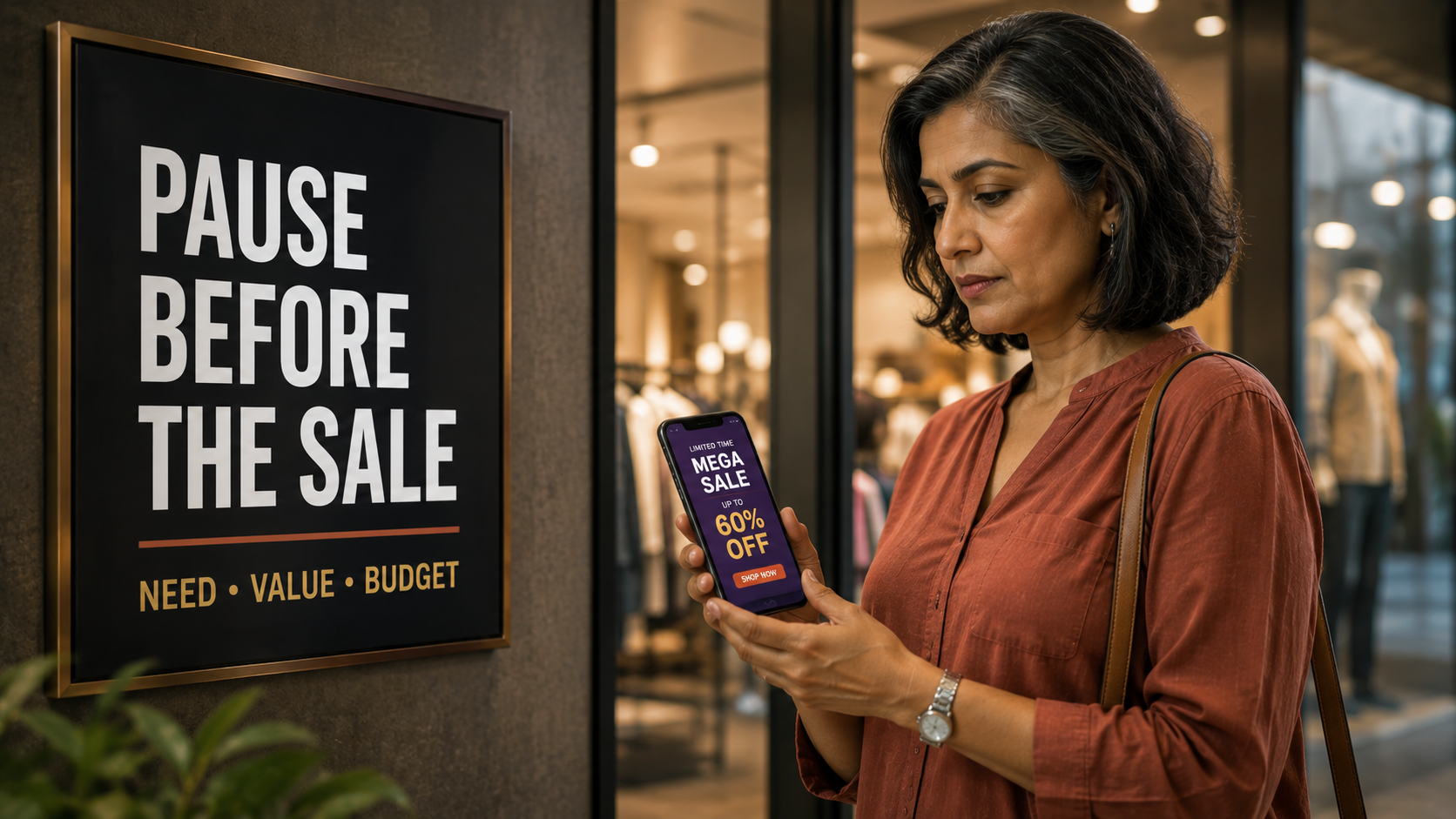
Sales can create a useful opportunity to buy something at a lower price, but they can also make unnecessary spending feel like financial success. A product marked down from a higher price can create the impression that not buying it means missing out. The more important question, however, is whether you would have wanted or needed the product if there had been no sale at all. Limited-time offers can make this decision harder because they introduce urgency. A countdown timer, “last few items” message, or short promotional period encourages an immediate response before there is enough time to think about the purchase. This does not mean every promotion is misleading or that every discounted purchase is wrong. It simply means urgency should not replace financial judgment. One useful habit is to separate price from value. A product costing less than its original price is still an expense. If the item was not needed, the discounted amount is not money saved; it is money spent at a lower price than before. This distinction can change how a promotion looks when considered from the perspective of your overall financial plan. Another practical question is whether the purchase already has a place in your budget. If you had planned to replace an essential item and find a suitable discount, the promotion may genuinely work in your favour. If the purchase appears only because a discount suddenly became available, it may deserve a waiting period. Sales can therefore become Money Leaks when the feeling of getting a bargain becomes more important than the usefulness of the purchase. A short pause can help separate a genuine opportunity from a purchase created by urgency.
Money Leak #9: Convenience Spending That Replaces Simple Alternatives
Convenience has real value. Paying for a service that saves meaningful time can be a sensible decision, particularly when work, family responsibilities, travel, or other circumstances make the alternative difficult. The problem begins when convenience becomes the automatic answer to situations that could be handled more simply without creating significant difficulty. This pattern can appear in many ordinary situations. A person might repeatedly pay for delivery when a nearby option is practical, use paid services for tasks they could comfortably handle themselves, or choose a more expensive option simply because it requires fewer steps. None of these decisions is automatically wrong. The concern is whether the convenience is worth the repeated cost. The easiest way to examine this kind of spending is to compare the money paid with the time and effort actually saved. Sometimes the answer will clearly justify the expense. If a paid service saves several hours during an unusually demanding period, the cost may provide genuine value. In another situation, the same expense may simply be a habit that has continued without much thought. It is also important to consider your own capacity. A cheaper alternative is not automatically better if it consumes time that you genuinely need for work, family, rest, or another important responsibility. Financial awareness should not turn every decision into a race toward the lowest possible price. The better question is therefore not “Can I do this more cheaply?” but “Is the convenience worth what I am repeatedly paying for it?” That question leaves room for sensible spending while making it easier to identify convenience-based Money Leaks.
How to Find Your Own Money Leaks
Reading about common expenses is useful, but the most valuable step is examining your own financial records. Money Leaks differ from person to person because spending patterns are shaped by lifestyle, location, work, family responsibilities, preferences, and financial commitments. What is unnecessary for one person may be genuinely useful for another. Begin by reviewing several recent months of transactions rather than looking only at the current month. A longer period makes recurring patterns easier to identify. Look at bank accounts, card statements, digital payment histories, subscriptions, and other places where regular spending may appear. Instead of asking only, “Was this expense necessary?” use a broader set of questions: Do I still use or value this? Does this expense happen regularly? Would I choose it again today? Was it planned or spontaneous? Does it support one of my priorities? Could I reduce the cost without losing meaningful value? If I removed it, would I actually miss it? These questions are more useful than simply labelling expenses as good or bad. They help you understand the relationship between spending and value. It can also help to look for patterns rather than isolated transactions. One restaurant meal is not necessarily a problem. Repeated delivery orders every week may reveal a different pattern. One online purchase may be perfectly reasonable. Frequent purchases made because of discounts may indicate a category worth reviewing. The objective is not to find the maximum number of expenses to eliminate. It is to identify the expenses that are least valuable relative to their recurring cost. Those are usually the places where a small adjustment can create ongoing financial flexibility.
A Simple Monthly Money-Leak Review
A monthly review does not need to become a complicated financial exercise. Set aside a short period to look through recent spending and identify anything that deserves another look. The purpose is simply to keep recurring expenses visible before they become deeply established habits. 1. Review Recurring Payments Check subscriptions, memberships, service charges, and other automatic payments. Confirm that each one is still useful and that you understand why the payment continues.
- Review Recurring Payments
Check subscriptions, memberships, service charges, and other automatic payments. Confirm that each one is still useful and that you understand why the payment continues. - Look for Repeated Convenience Spending
Review food delivery, transport upgrades, paid services, and other convenience-related expenses. Consider whether the time saved genuinely justifies the recurring cost. - Check Impulse Purchases
Look at purchases that were not planned before the month began. You may notice particular situations, emotions, or promotional messages that repeatedly lead to unnecessary spending. - Examine Small Transactions
Small payments are easy to ignore, so look at their frequency rather than their individual value. A repeated category may be more significant than any single transaction suggests. - Identify One Expense to Rethink
Do not try to change everything at once. Choose one recurring expense that appears to provide relatively little value and decide whether to reduce, replace, pause, or remove it. - Redirect What You Save
If you successfully reduce an expense, give the freed-up money a purpose. It could support savings, an emergency fund, a financial goal, debt obligations, or another priority that matters to you. This final step is important because removing an expense without changing what happens to the money can make the benefit difficult to notice. Redirecting the amount gives the saving a visible destination and makes the change easier to appreciate.
The Goal Is Not to Spend Nothing
Finding Money Leaks should not lead to the idea that every enjoyable expense needs to disappear. Money has purposes beyond accumulation. People spend on experiences, convenience, hobbies, relationships, comfort, learning, and many other things that can have genuine value. The more useful approach is intentional spending. When you understand what matters to you, it becomes easier to decide which expenses deserve space in your financial life and which ones have continued simply because nobody stopped to reconsider them.
A healthy financial approach can therefore include both discipline and enjoyment. You can pay for convenience when it genuinely improves your life. You can buy something enjoyable without feeling guilty about it. You can also recognise when a recurring expense no longer provides enough value and make a change without treating that decision as a punishment. The purpose of identifying Money Leaks is ultimately to create greater choice. Money redirected away from low-value recurring expenses can support something that matters more to you. That might be a financial goal, greater flexibility, future preparation, or simply a stronger sense of control over everyday spending. When you regularly review where your money is going, small decisions become easier to understand. You are no longer reacting only to individual purchases; you are looking at the pattern they create together. That awareness can make everyday financial decisions more deliberate without making life unnecessarily restrictive.
- Money Leaks are often recurring expenses that provide less value than their cost deserves.
- A small expense is not automatically wasteful; frequency, usefulness, and personal circumstances matter.
- Unused subscriptions should be reviewed periodically rather than allowed to continue automatically.
- Convenience spending can be reasonable when the time saved genuinely justifies the cost.
- Sales and discounts should not turn an unnecessary purchase into a supposed “saving.”
- Lifestyle upgrades deserve consideration when they create permanent recurring expenses.
- Reviewing several months of transactions can reveal patterns that individual purchases hide.
- The goal is not to eliminate every enjoyable expense but to spend more intentionally.
- Money saved by reducing low-value expenses should ideally be redirected toward a meaningful priority.
- A simple monthly review can help keep recurring Money Leaks visible and manageable.
Money Leaks are recurring or repeated expenses that may quietly reduce the money available for savings and financial goals without providing enough ongoing value. They can include unused subscriptions, frequent convenience spending, impulse purchases, or charges that are rarely reviewed.
No. A small expense is not automatically unnecessary. If it provides genuine value and fits comfortably within your financial priorities, there may be no reason to remove it. The important question is whether the frequency and cost still make sense for your circumstances.
Review several months of bank statements, card transactions, digital payments, and recurring charges. Look for expenses that happen repeatedly, purchases you rarely remember making, and services you no longer use. Comparing these patterns with your actual priorities can reveal areas worth reconsidering.
Not necessarily. Convenience can have genuine value when it saves meaningful time or effort. The better question is whether the convenience is worth the repeated cost and whether the expense still fits comfortably within your financial priorities.
Give the money a clear destination instead of allowing it to disappear into other unplanned spending. Depending on your circumstances, it could support savings, an emergency fund, an existing financial goal, debt obligations, or another priority that matters to you.
Understanding Money Leaks is one part of becoming more intentional about money. It also connects with everyday habits, broader financial planning, and the ability to make deliberate choices about where your resources go. Explore these related DivyalVision articles: